
Common Flat Roofing Problems
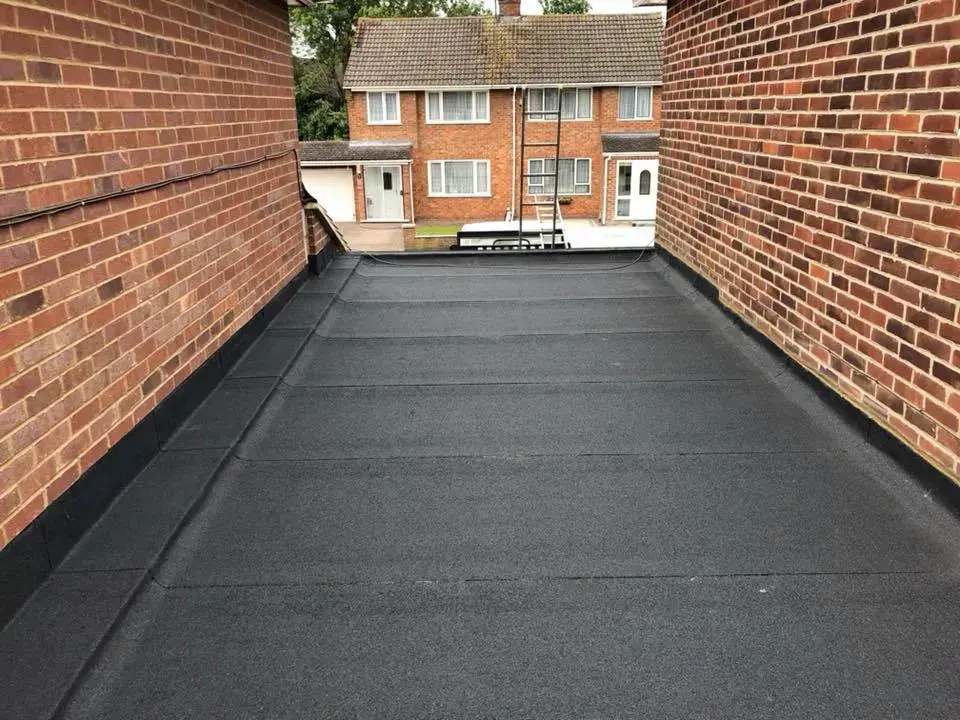
Common Flat Roofing Problems in Swindon Homes
Flat roofs are a popular choice for garages, extensions, porches, dormers, and commercial buildings across Swindon because they are practical, cost-effective, and modern in appearance. However, like all roofing systems, flat roofs can develop problems over time, especially when exposed to the changing British weather.
Understanding the most common flat roofing problems in Swindon homes can help you spot early warning signs before they turn into expensive repairs or serious internal damage.
Flat Roof Leaks
Leaks are one of the most common issues homeowners experience with flat roofs. Water can enter through cracks, damaged joints, lifting felt, worn flashing, or ageing roofing materials.
Sometimes the leak itself may appear in a different location from the actual source because water can travel underneath the roofing surface before entering the property. This can make it difficult to determine whether a flat roof leak exists without an inspection by a professional flat roofer.
The common signs of a leaking flat roof include:
- Damp patches on ceilings or walls
- Peeling paint or wallpaper
- Mould or mildew growth
- Musty smells
- Dripping water during heavy rain
Even a small leak can worsen quickly if left untreated, particularly during periods of heavy rain and colder weather.
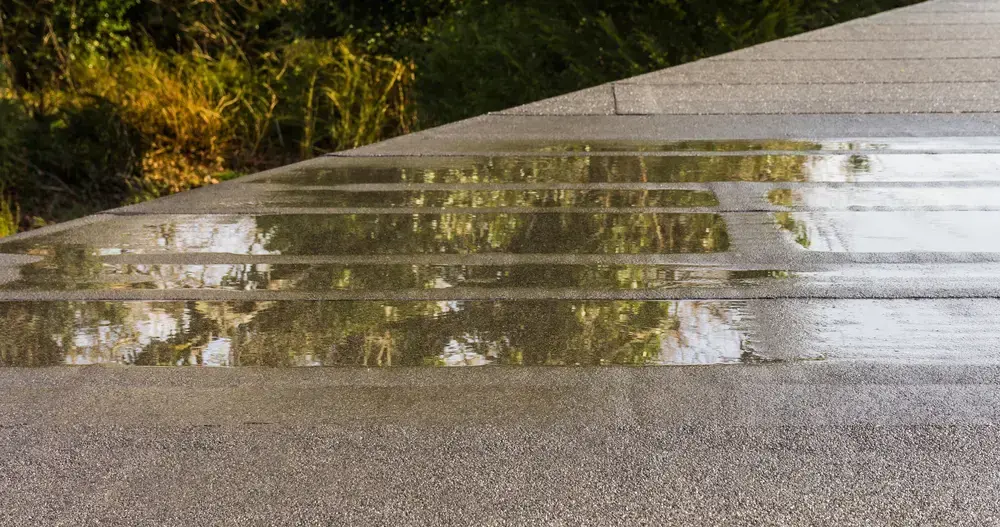
Ponding Water and Drainage Problems
Many homeowners assume flat roofs are designed to hold water because they appear level, but a properly installed flat roof should still allow water to drain away effectively.
Ponding water occurs when rainwater sits on the roof surface for extended periods rather than draining away naturally. This is often caused by:
- Poor roof design
- Blocked gutters or outlets
- Sagging roof sections
- Ageing materials
Standing water places constant pressure on the flat roofing system and can gradually weaken materials, increase the risk of leaks, and shorten the overall lifespan of the roof.
Swindon properties often experience periods of heavy rainfall throughout the year, making proper drainage particularly important for flat roofs.
Cracks, Splits, and Surface Damage
Visible surface damage is one of the most common warning signs. In Swindon and across the UK, flat roofs face heavy rain, frost, wind, UV rays, and constant temperature swings. This cycle of expansion and contraction stresses the surface, leading to cracks, splits, blistering, and lifting edges.
Older felt roofs are especially vulnerable. As felt ages it dries out, turns brittle, and is more likely to crack or tear. Joints, corners, flashing, and edges are usually the first to fail.
Blisters form when moisture or air is trapped beneath the roofing material. They may look minor, but they can split open and let water in.
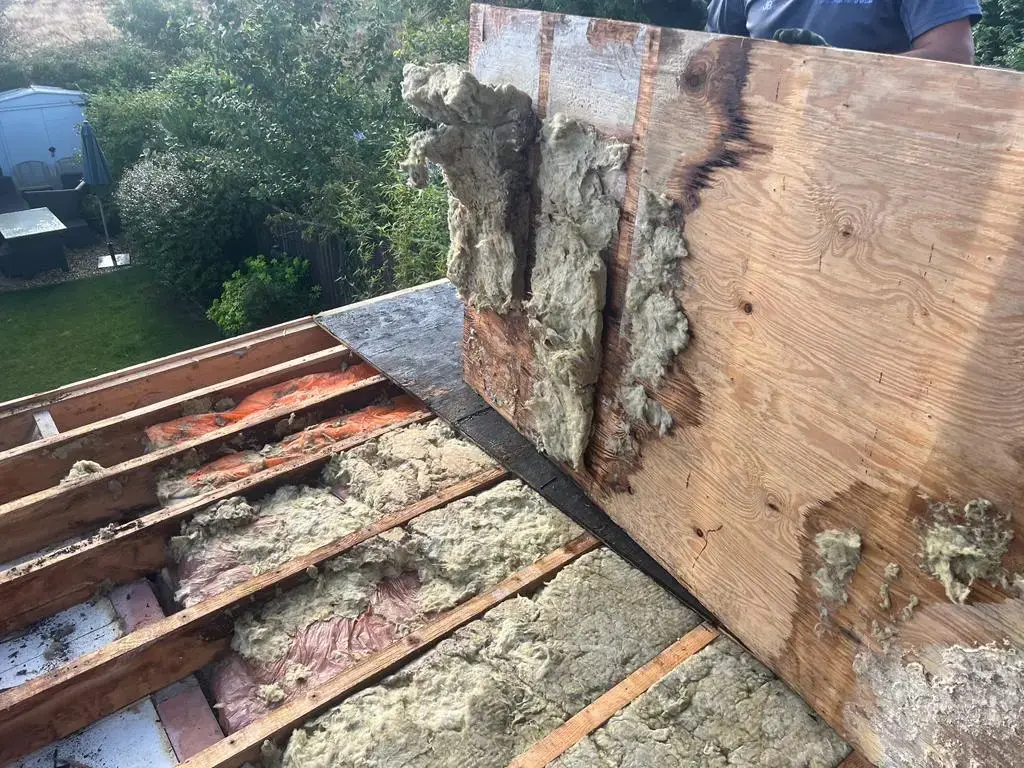
Once the outer layer is compromised, water can seep underneath, and the damage isn’t always visible. Trapped moisture can cause:
- Rotting timber decking
- Weakened roof structures
- Mould and damp
- Insulation damage
- Internal leaks and ceiling stains
This hidden damage worsens over time, especially in heavy rain and cold weather. Lifting edges and loose materials should never be ignored either, as strong winds can pull raised sections back and expose more of the roof.
Regular inspections help you spot these warning signs early. Catching cracks and surface damage in good time often means a simple repair rather than a full roof replacement.
Lead Flashing Damage and Roof Edge Problems
Lead flashing is used to seal vulnerable areas of a flat roof, including edges, walls, chimneys, skylights, and joints. It helps keep these high-risk areas watertight and protected from the elements.
Over time, lead flashing can become loose, cracked, or start to lift due to exposure to rain, wind, frost, and temperature changes. When this happens, even small gaps can allow water to enter the flat roof structure and potentially your home. Roof edges are also highly exposed and can begin to lift or separate over time. This creates an entry point for wind-driven rain, especially during storms and strong winds, which can force water underneath the roofing system. And, if left untreated, these issues can quickly lead to leaks, dampness, and more serious roof damage, so they should always be inspected and repaired as early as possible.
Poor Workmanship
Poor-quality repairs are a major cause of ongoing flat roofing problems. While quick patch repairs may seem like a simple fix, they often only cover the symptoms rather than solving the root cause of the issue. If the underlying problem isn’t properly addressed, such as damaged materials, poor drainage, or failed joints, then the leak is likely to return.
Low-quality workmanship can also lead to weak sealing, incorrect installation, and the use of unsuitable materials, all of which reduce the lifespan of your flat roof. And, in many cases, repeated small repairs end up costing more than a proper, long-term solution carried out by an experienced flat roofing specialist, like us at Highworth Flat Roofing.
Professional Flat Roofing Services in Swindon
At Highworth Felt Roofing Ltd, we provide professional flat roof repairs, replacements, and installations across Swindon, Wiltshire, Oxfordshire, and Gloucestershire.
Whether you are dealing with a leaking garage flat roof, damaged felt roofing, ponding water, or an ageing flat roof system, our experienced team can provide honest advice and reliable solutions tailored to your property.
If you are concerned about the condition of your flat roof, contact Highworth Felt Roofing Ltd today for a professional inspection and free quotation.